Markham sits just northeast of Toronto, often seen as suburban at first glance — but it quietly combines historic villages, extensive park systems, and one of Canada’s most diverse communities. Within a short distance, you can move from preserved 19th-century streets like Unionville to modern plazas and green corridors along the Rouge River. It’s a place where growth didn’t fully erase what came before — it simply built around it.
Highlights
What defines Markham:
- Historic village cores — Unionville, Thornhill, and Markham Village
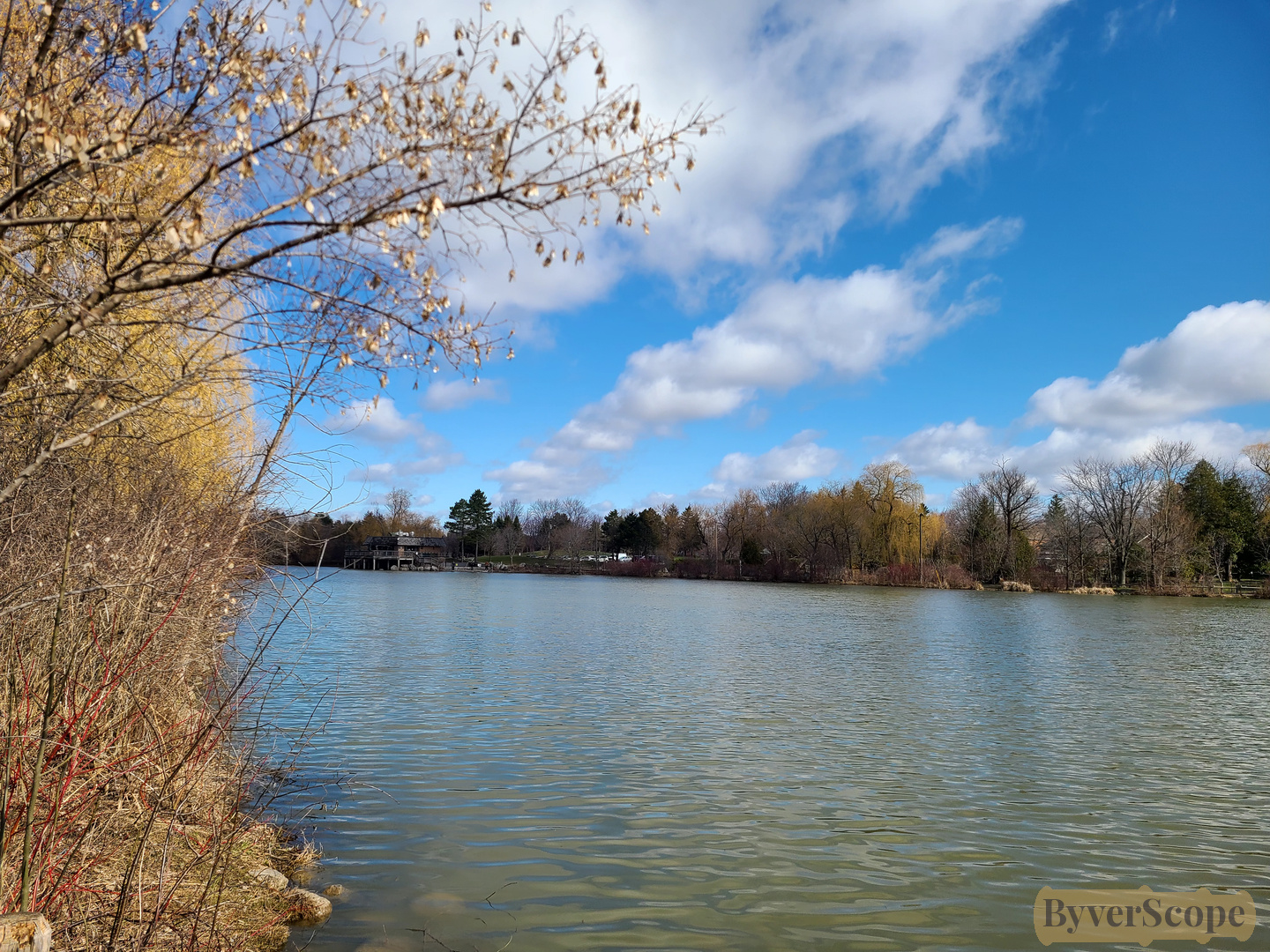
- Toogood Pond Park and local green spaces woven into neighborhoods
- Rouge River and valley trails connecting natural corridors
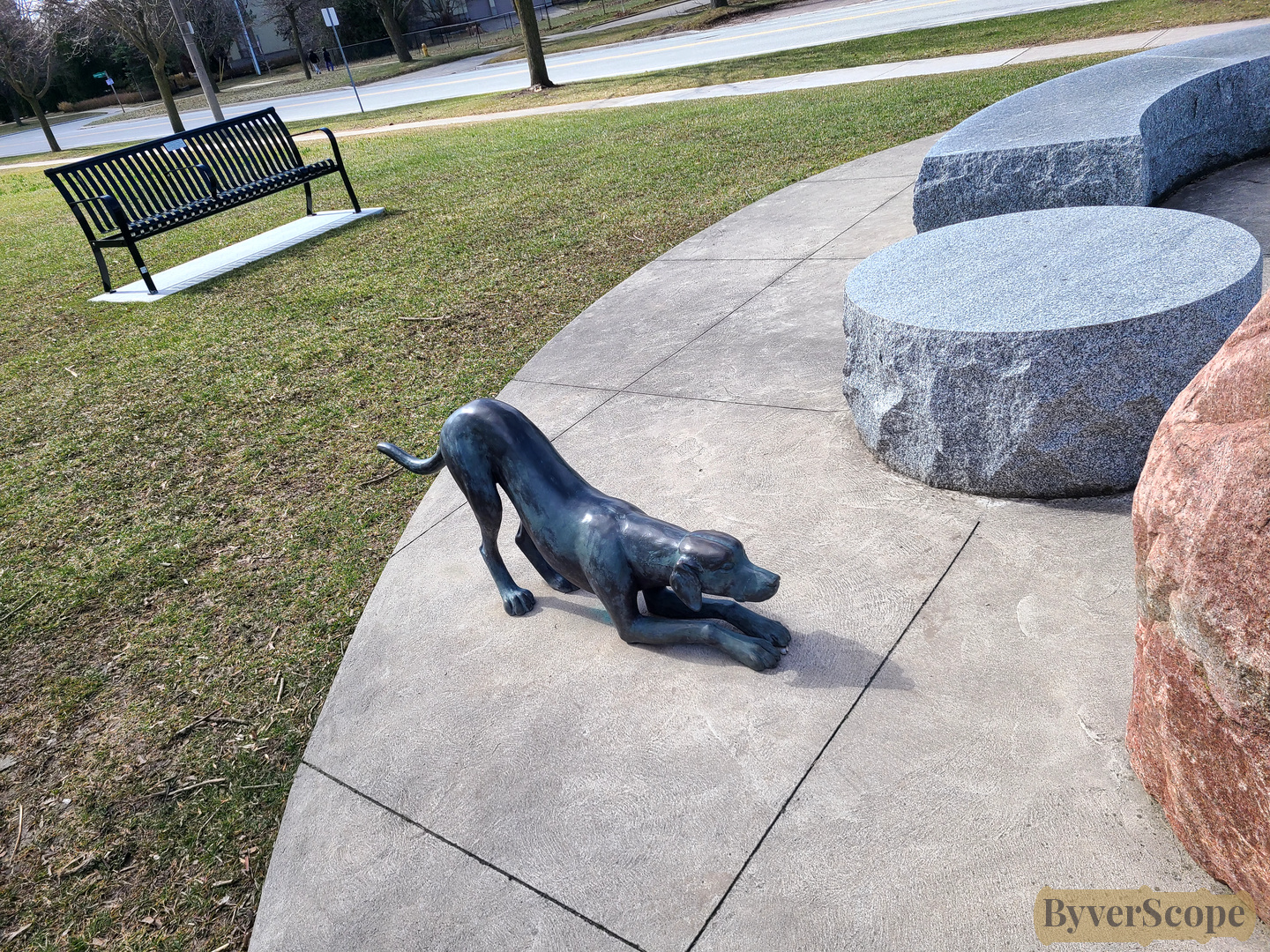
- Public art and small artifacts integrated into parks and streets
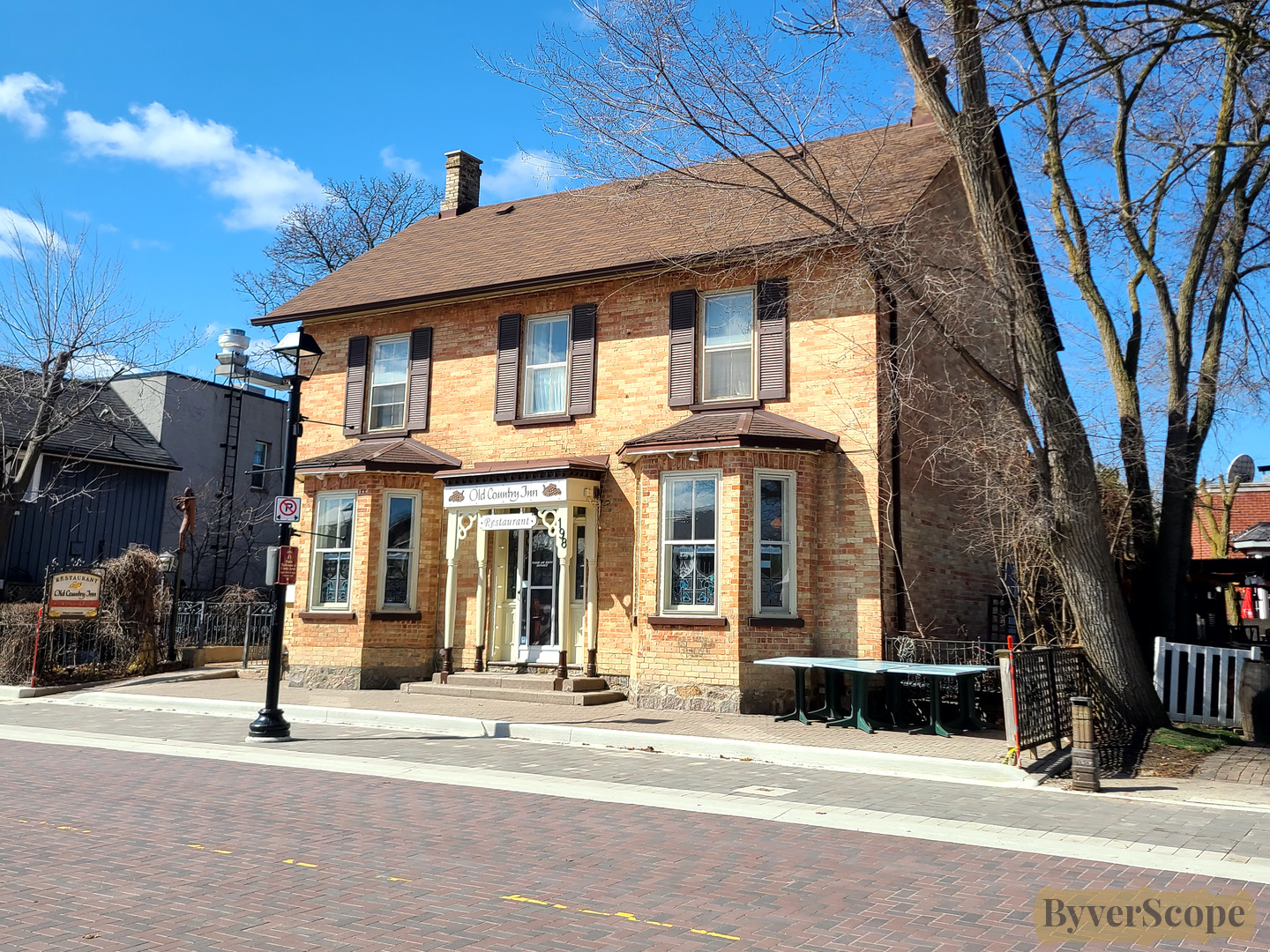
- Heritage buildings repurposed into restaurants, shops, and civic uses
- Cultural diversity reflected in food and retail across the city
Markham’s history dates back to the early 1800s, when it was settled as an agricultural community along key routes like Yonge Street. Villages such as Unionville grew around mills and waterways, with the Rouge River playing a central role in early industry. The arrival of the Toronto & Nipissing Railway in 1871 accelerated development, linking the area to Toronto and beyond. Over the late 20th century, Markham transformed into one of Canada’s fastest-growing cities, evolving into a major technology and business hub while preserving pockets of its earlier village character.
Sources:
Explore Markham
The area works best as a series of small, walkable clusters rather than one continuous route — historic cores, parks, and commercial areas connected by short drives.
Experiences around Markham
Markham is best explored through short, focused walks that reveal different sides of the city — historic, natural, and contemporary.
Loop around historic Markham Unionville and Toogood Pond park
Visitor tips / Practical notes
- Best for: short walks, casual exploration, combining stops by car
- Energy: mixed — quiet in parks, busier in village cores and plazas
- Good with kids: yes — parks, ponds, and open spaces are accessible
- Dog-friendly: many parks and trails allow leashed dogs
- When it works best: year-round; spring and fall offer the best balance of activity and calm
- Safety notes: standard suburban awareness; watch for traffic near busy intersections
- Cost expectations: most outdoor spaces are free; parking varies by location
- Accessibility: many parks and main streets are accessible, though some trails are unpaved
Join our newsletter
Stay updated on new areas, experiences, and travel inspiration.